
Seasons in Stone and Green: Cloisters and Coaching‑Inn Courtyards
Light, Shadow, and Stone Across the Year
Cloister Walks at Dawn and Dusk
Market Saturdays and Quiet Tuesdays
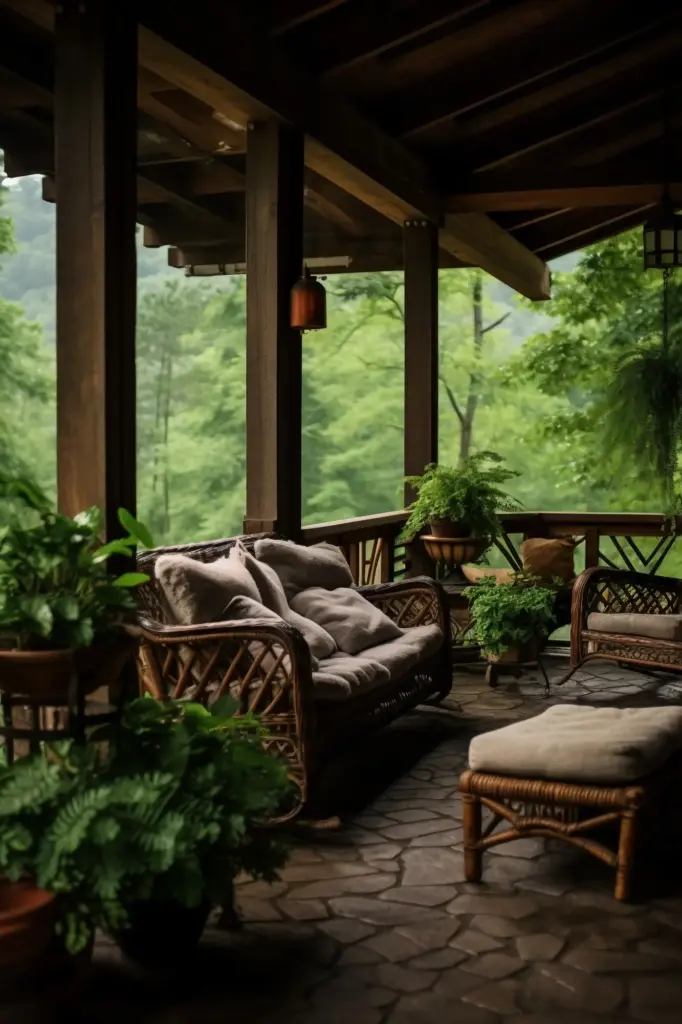
Rain Under Timber Galleries
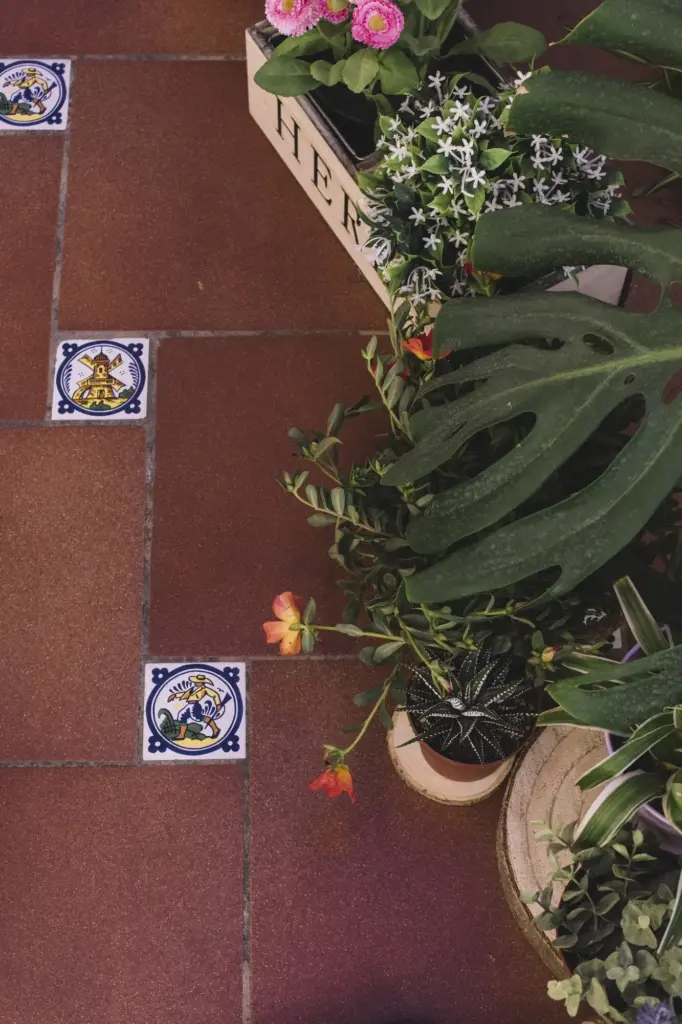
Weathered Textures: Rain, Frost, Moss, and Bloom



Compositions that Honor Heritage Without Cliché
Permission, Politeness, and Timing
The simplest courtesies open complicated doors. Introduce yourself, explain your project, and offer sample images. Agree on boundaries, avoid peak service times, and work quickly when staff grant access. If refused, thank them anyway and return another day. Publish respectful language templates others can adapt, and invite comments about positive experiences. This culture of asking and listening protects quiet routines while letting photography celebrate real work, real rest, and the soft rituals that keep courtyards alive.
Protecting Greens and Ancient Stone
Grass heals slowly under medieval shade. Stay on paths, use longer lenses when borders are fragile, and never climb railings or galleries. Keep tripods off tomb slabs and old thresholds, and carry small mats for kneeling rather than resting elbows on carvings. Share maintenance funds or volunteer hours when possible. Encourage readers to list trusted conservation resources, and let captions acknowledge custodians whose daily care—watering cans, brushes, mended hinges—quietly sustains the very scenes we love to photograph.
Storytelling With Integrity
Edit for truth and tenderness. Remove distractions, not history; preserve patina, not misconceptions. Caption images with dates, weather, and permissions, and credit sources for anecdotes about inn yards or cloister routines. Invite witnesses to correct errors graciously. When composites are used, say so clearly. Ask followers to share thoughtful critiques, building confidence in images that hold nuance, context, and consent. Integrity keeps trust alive, ensuring future access and deeper relationships with people who steward these remarkable places.
All Rights Reserved.