Seasons in Stone and Green: Cloisters and Coaching‑Inn Courtyards

Today we explore seasonal photography of cloister and coaching‑inn courtyard greens in medieval British towns, following light as it skims winter frost, wakens spring moss, deepens summer shade, and burnishes autumn leaves. Expect practical techniques, historical context, field stories, and gentle prompts to venture out, notice small changes, and share your observations with a community that cherishes slow looking, respectful access, and images that honor weathered stone, timber, and grass.

Light, Shadow, and Stone Across the Year

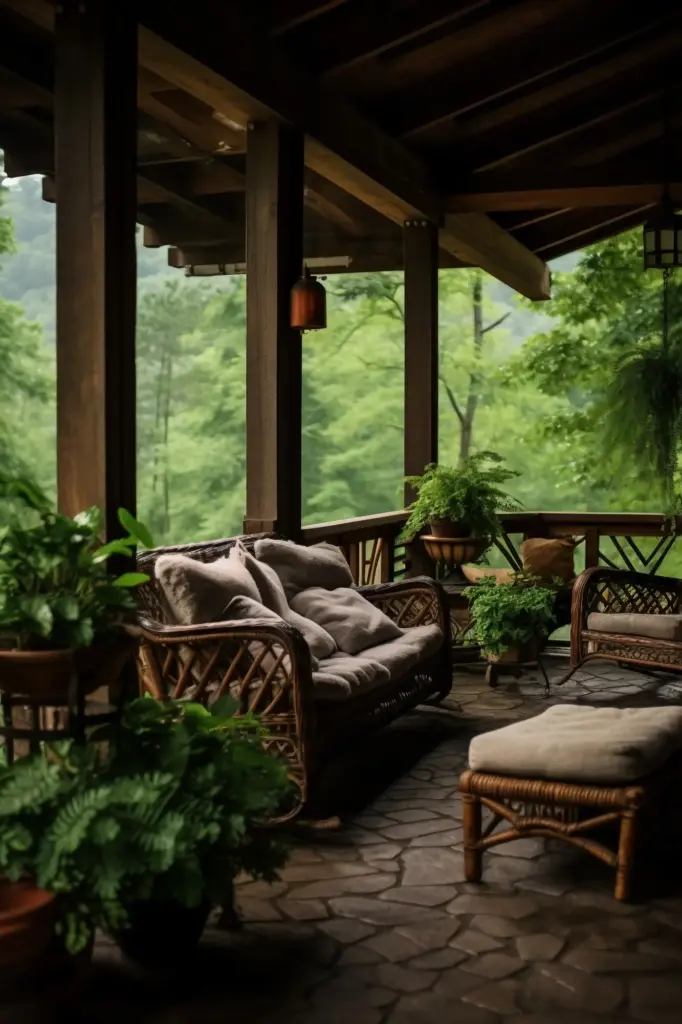
British latitudes gift cloisters and inn greens with low winter suns, generous summer twilights, and countless soft transitions in between. Stone and timber respond differently to angle and color temperature, while clipped lawns and ivy bounce greens into surrounding arcade shadows. Learn to map sun paths, anticipate cloud breaks, balance contrast on pale limestone, and use reflective puddles to add gentle brightness, transforming modest yards into luminous stages for careful, unhurried compositions.

Cloister Walks at Dawn and Dusk

These are hours of hush when stone remembers psalms, and courtyards seem to breathe. Blue hour cools sandstone, dusk warms oak rails, and footsteps sound like history crossing from one side of the square to another. Plan respectfully around services and quiet times, use silent shutters, and let low ISO files hold delicate tonal transitions. When swifts stitch the sky above, follow their arcs to lead eyes through arches toward calm, contemplative centers.

Market Saturdays and Quiet Tuesdays

On market days, crates, chatter, and bright umbrellas spill just beyond gates, sending color echoes into shaded greens. Tuesdays soften, leaving brooms against posts and a chalkboard catching stray sun. Both rhythms deserve attention. Work candidly with permission, framing gestures rather than faces, hands rather than headlines. Let space breathe so viewers feel how journeys pause here. Share your preferred hours, and swap settings that preserve texture in timber without crushing the comfortable lull between errands.

Rain Under Timber Galleries

Rain unlocks every surface: oak darkens, rope handrails shine, and thin grass gleams like brushed silk. Stand beneath overhangs to protect gear and frame diagonals along gutters, capturing rivulets threading toward drains. A slow shutter reveals beaded curtains, while a faster one preserves lively drops. Ask staff before placing a tripod, thank them afterward, and include small, kind details—an extra towel for a damp dog—that fold hospitality into your visual narrative of shelter and shared ground.

Weathered Textures: Rain, Frost, Moss, and Bloom

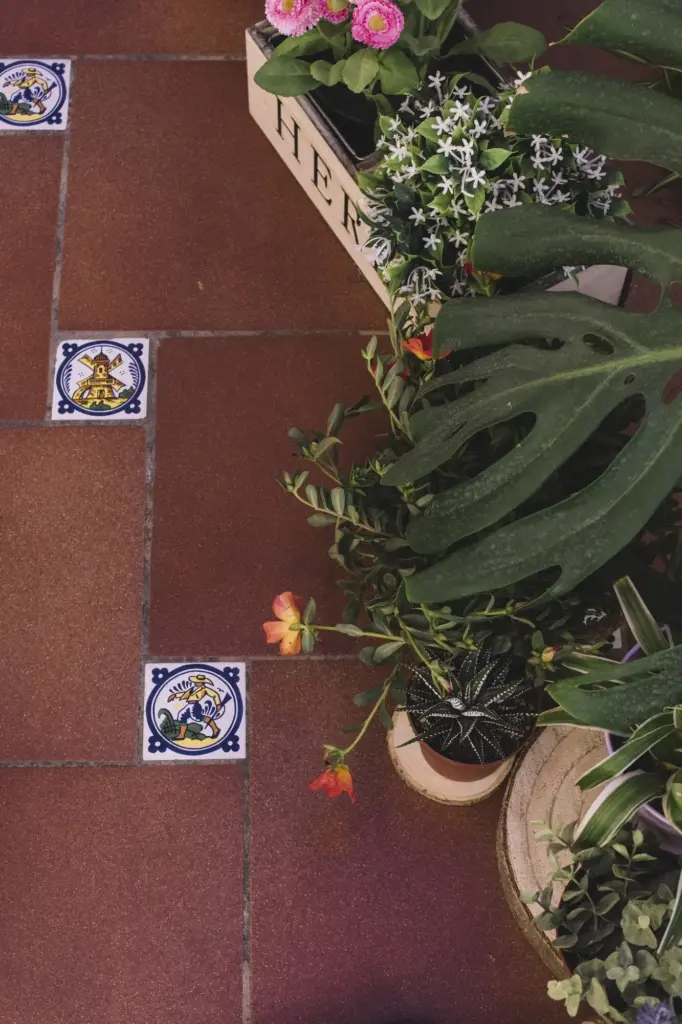
Close attention to texture makes small greens feel immense. Rime outlines each blade, raindrops bead on ivy, lichen freckles sandstone, and June roses lift past worn lintels. A macro lens reveals quiet dramas; a normal lens places them in context. Work edges of puddles for mirrored capitals, and kneel to read cobble patterns like sentences. Share discoveries—favorite lichens, reliable puddles, kindly gardeners—so others can trace similar micro‑journeys through courtyards where time writes patiently across living surfaces.

Compositions that Honor Heritage Without Cliché

Familiar places invite repetition; your task is affectionate freshness. Use arches and galleries to layer depth, give figures room to breathe, and resist over‑saturation that plastifies old stone. Seek asymmetries, respectful negative space, and honest weather. Align leading lines with footfall, not traffic, and notice modest signage that anchors period character. Offer viewers a path through time and care, then ask them to share small framing discoveries that made their own courtyards feel newly seen.

Permission, Politeness, and Timing

The simplest courtesies open complicated doors. Introduce yourself, explain your project, and offer sample images. Agree on boundaries, avoid peak service times, and work quickly when staff grant access. If refused, thank them anyway and return another day. Publish respectful language templates others can adapt, and invite comments about positive experiences. This culture of asking and listening protects quiet routines while letting photography celebrate real work, real rest, and the soft rituals that keep courtyards alive.

Protecting Greens and Ancient Stone

Grass heals slowly under medieval shade. Stay on paths, use longer lenses when borders are fragile, and never climb railings or galleries. Keep tripods off tomb slabs and old thresholds, and carry small mats for kneeling rather than resting elbows on carvings. Share maintenance funds or volunteer hours when possible. Encourage readers to list trusted conservation resources, and let captions acknowledge custodians whose daily care—watering cans, brushes, mended hinges—quietly sustains the very scenes we love to photograph.

Storytelling With Integrity

Edit for truth and tenderness. Remove distractions, not history; preserve patina, not misconceptions. Caption images with dates, weather, and permissions, and credit sources for anecdotes about inn yards or cloister routines. Invite witnesses to correct errors graciously. When composites are used, say so clearly. Ask followers to share thoughtful critiques, building confidence in images that hold nuance, context, and consent. Integrity keeps trust alive, ensuring future access and deeper relationships with people who steward these remarkable places.

Pentofarilentovani
Privacy Overview

This website uses cookies so that we can provide you with the best user experience possible. Cookie information is stored in your browser and performs functions such as recognising you when you return to our website and helping our team to understand which sections of the website you find most interesting and useful.